
Full 25-point door and opener safety check with every visit - springs, cables, rollers, tracks, and your LiftMaster or Chamberlain opener included
You get a price before we start. It does not change when the truck arrives.
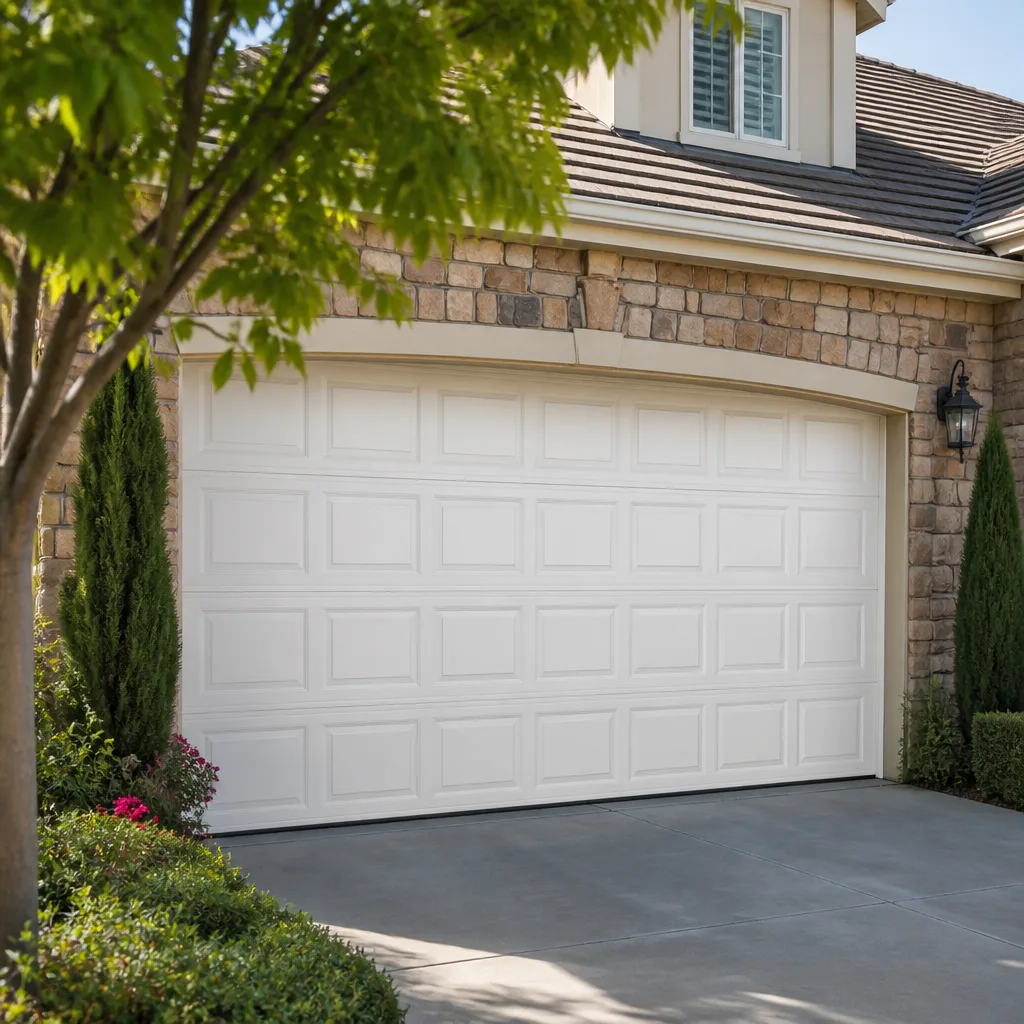
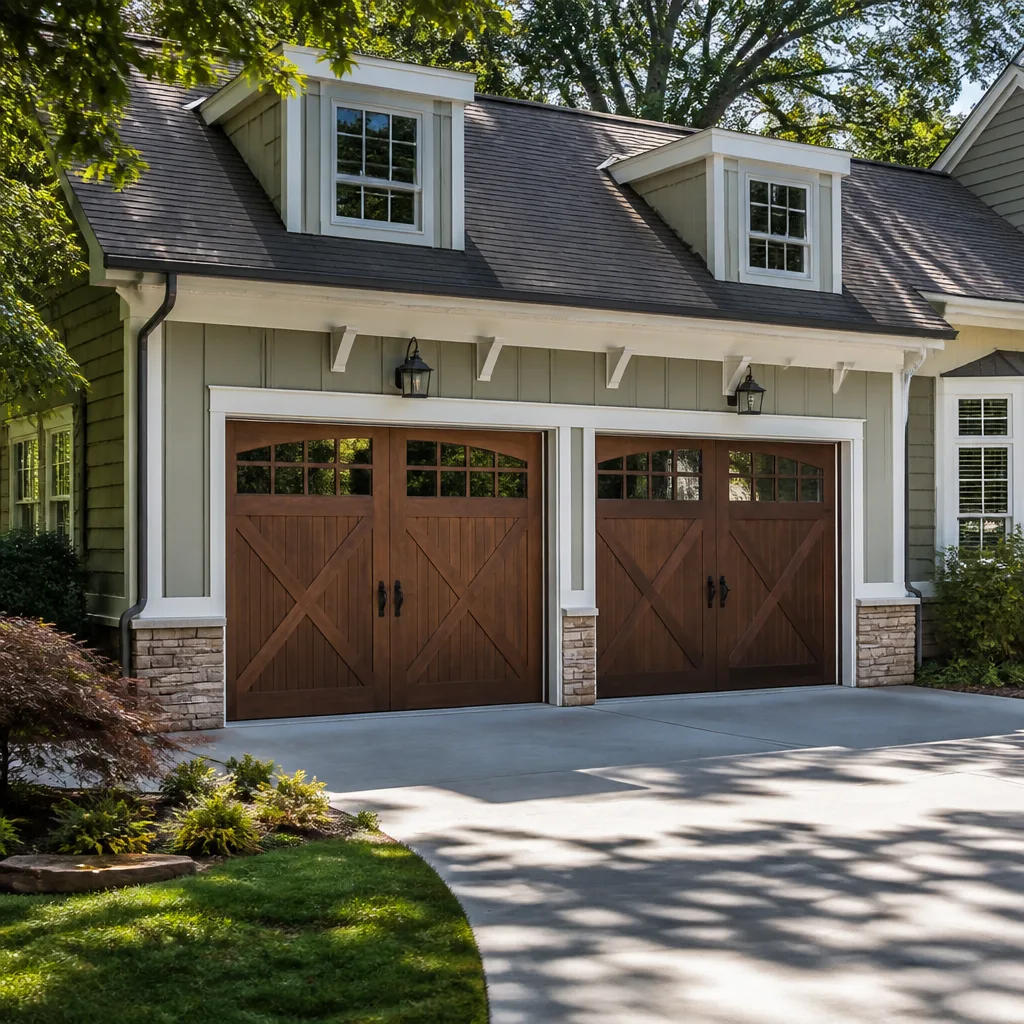
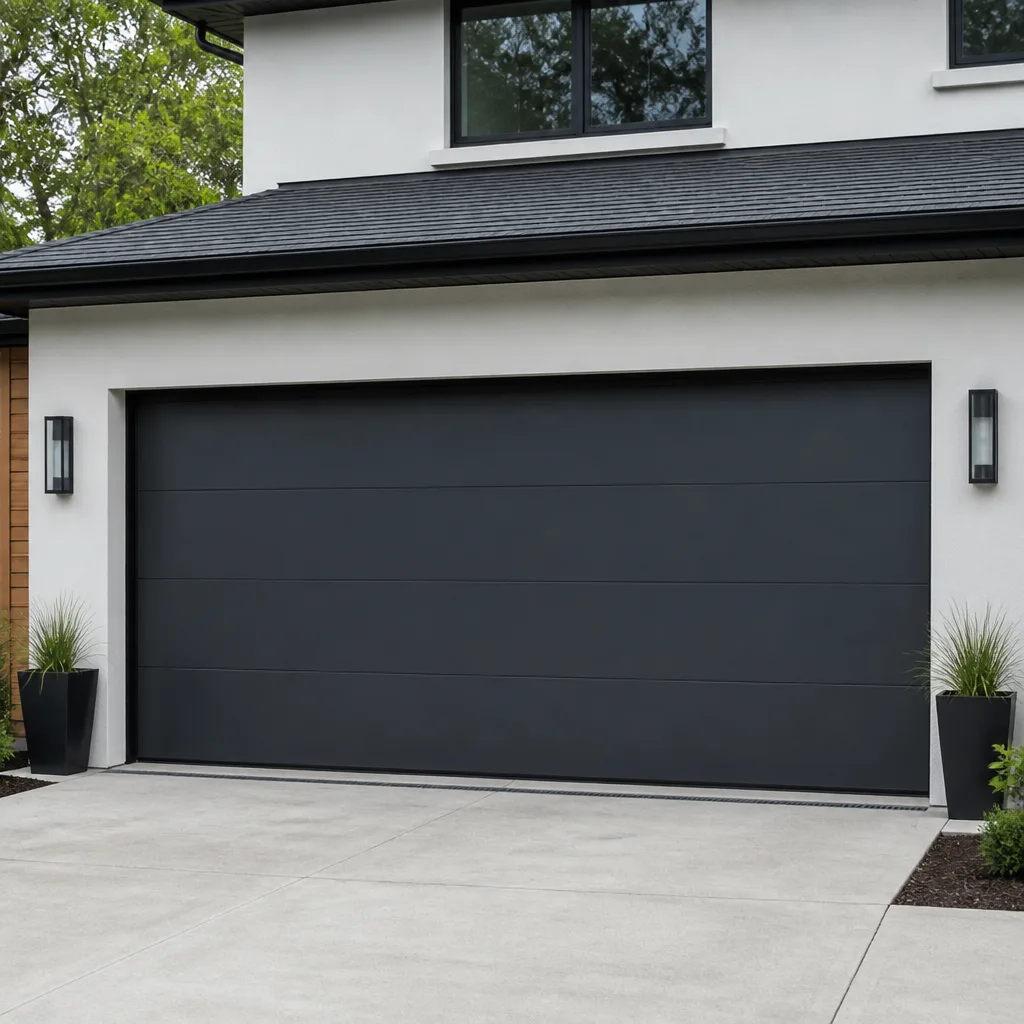
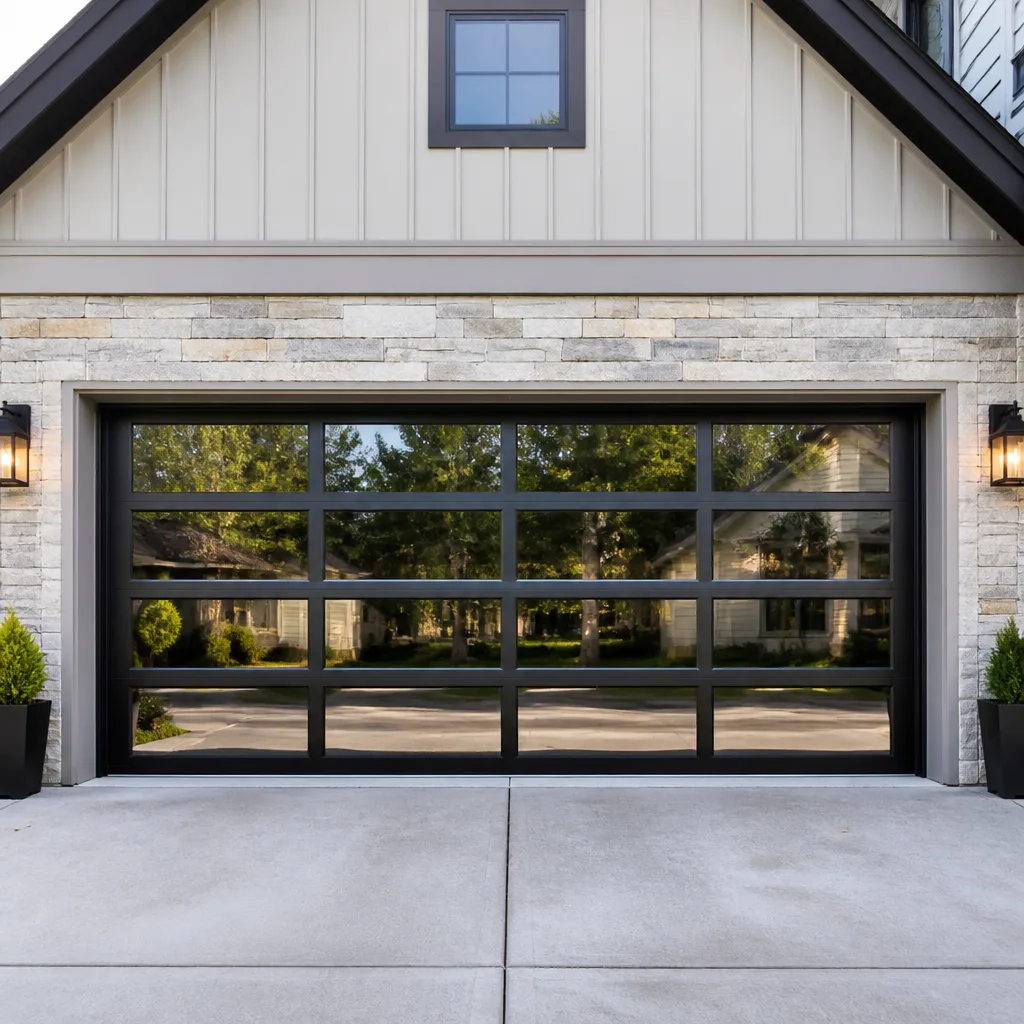
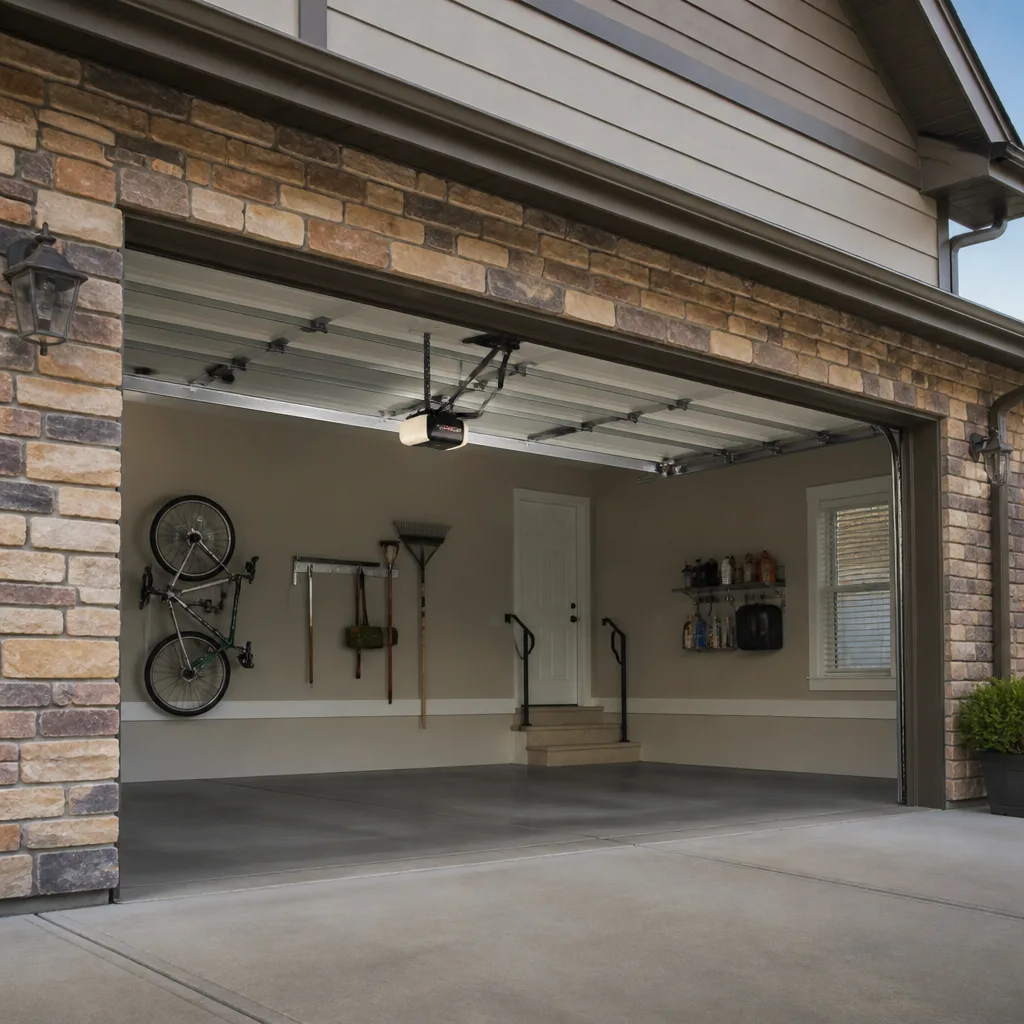
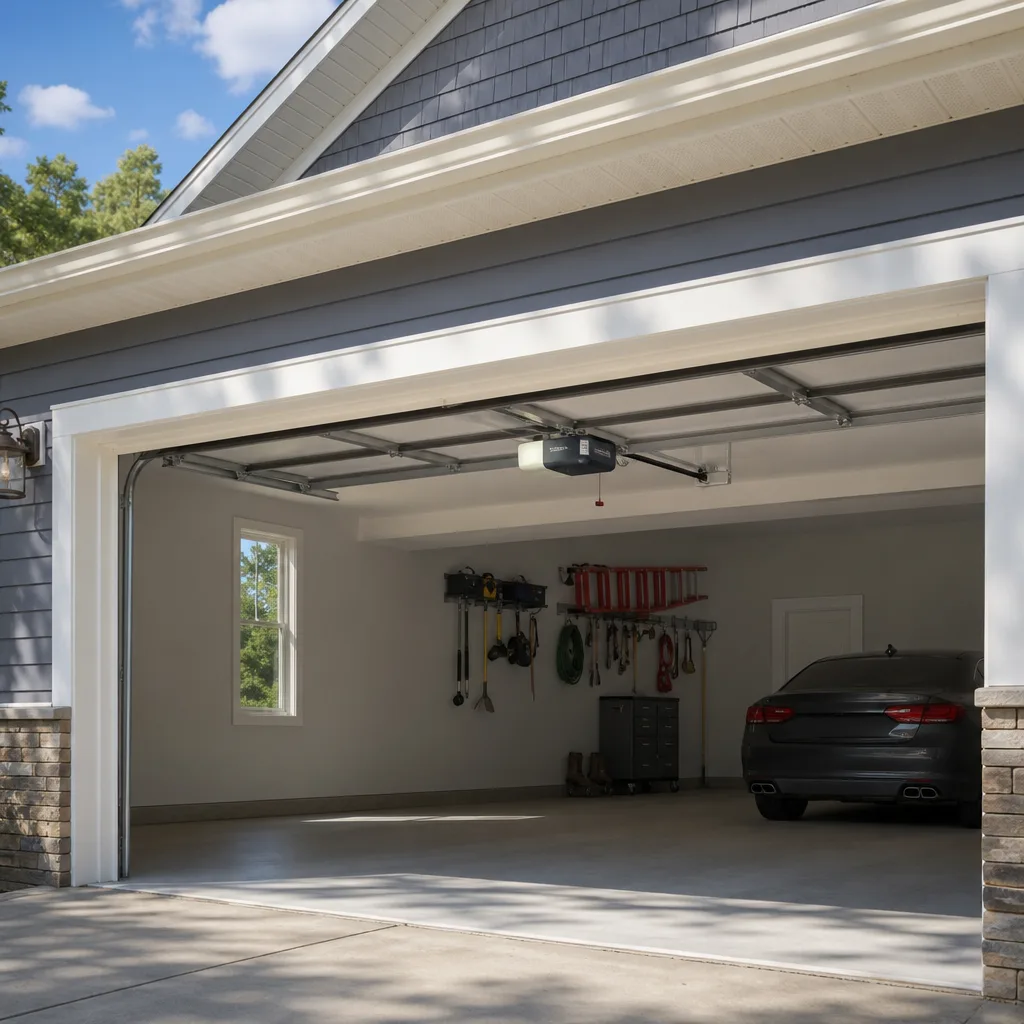
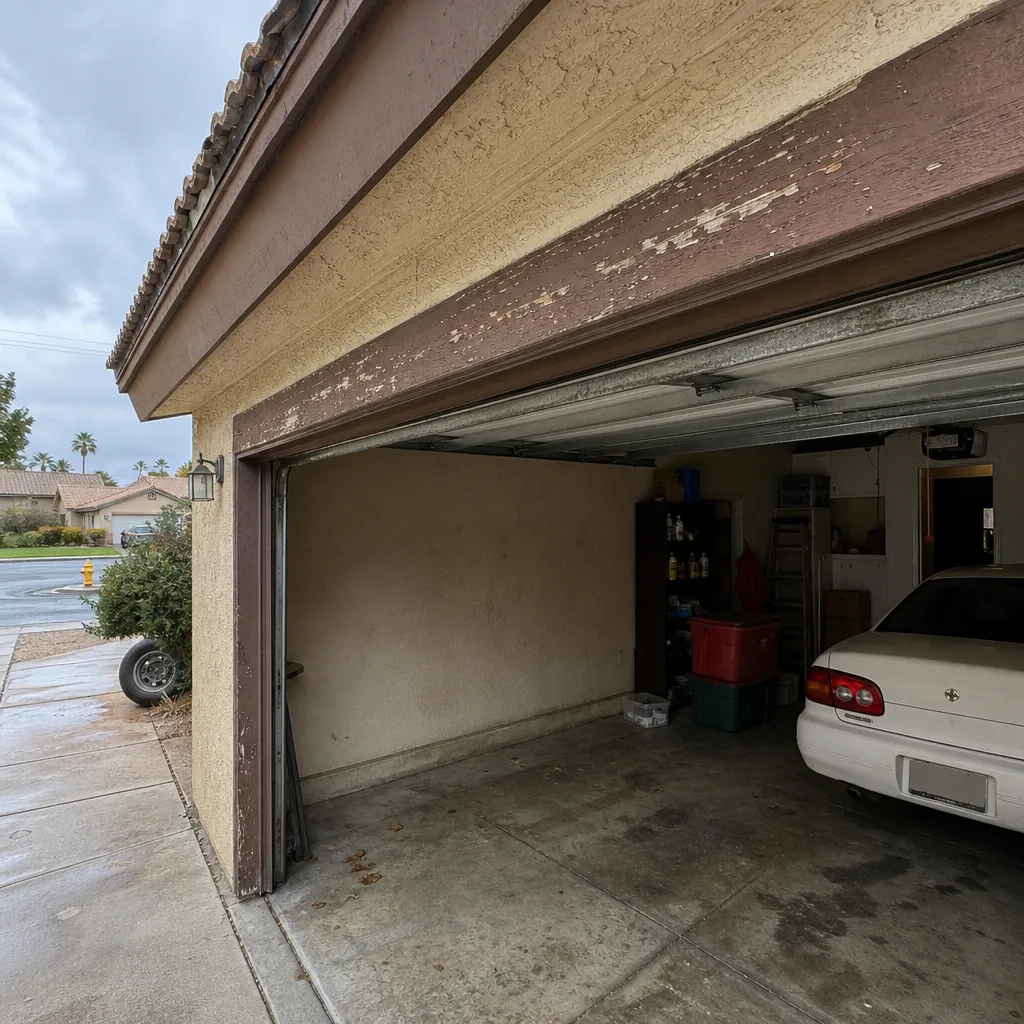 Before
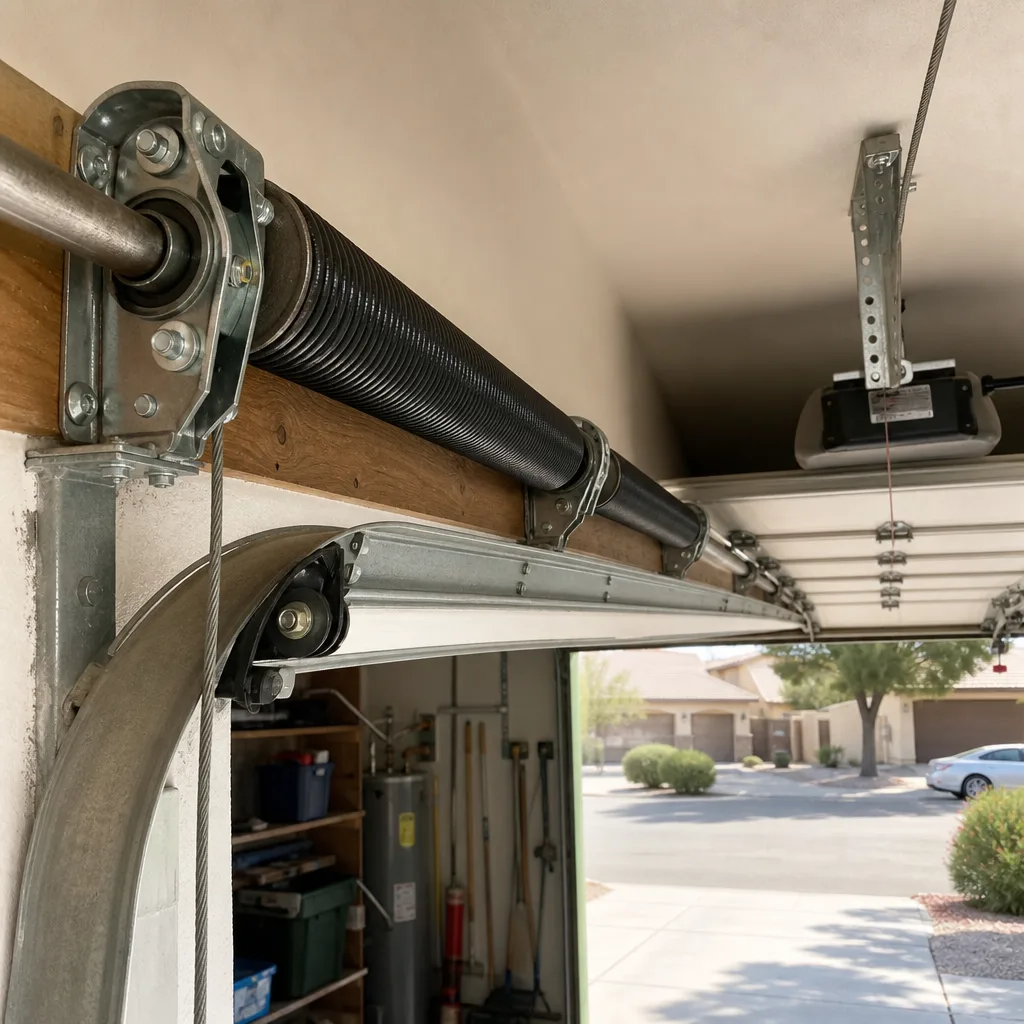 After
After Before
 After
After Before
 After
AfterWayne Dalton Weather Seal Replacement: The Mesa Owner’s Guide
Wayne Dalton weather seal replacement in Mesa typically costs $110 to $220 installed, depending on the seal profile your door uses and whether we’re replacing the bottom seal only or the full perimeter set including the jamb seals and header seal. Most Mesa homeowners discover the failure the same way: a strip of sunlight under the door, a puddle at the threshold after a monsoon, or a garage that suddenly smells like the alley behind it. We stock the three most common Wayne Dalton profiles on the truck and can usually complete a bottom-seal swap same day.
Wayne Dalton uses a T-shaped bottom seal retainer on most residential doors from the last 15 years, which is different from the round P-bulb seals on Clopay or Amarr doors. If you’ve shopped generic seal stock at a big-box store and it didn’t fit, that’s why. The retainer channel on a Wayne Dalton 9100, 9600, or 9700 series accepts a 3-inch or 4-inch T-seal, and the seal itself slides in from the end of the retainer rather than pressing in from the front. That end-entry design is the single biggest source of DIY frustration we see in Mesa, because homeowners try to force the seal in from underneath and tear the T-channel before it seats.
We’re an independent service provider in Mesa, not affiliated with Wayne Dalton. We install OEM and quality aftermarket seals that match the original specifications. After more than a decade of service calls across Mesa and the Dobson Ranch corridor, we’ve learned which aftermarket profiles hold up to Arizona UV exposure and which factory seals are worth the extra cost. We’ll quote both and explain the difference before any work starts.
Which Wayne Dalton Models This Applies To
The bottom weather seal replacement applies to Wayne Dalton’s most common residential lines: the 9100, 9105, 9410, 9500, 9600, and 9700 series, plus the newer 8000 and 8200 series that use the same retainer extrusion. If you have a classic 300 or 400 series from the 1990s, those use a different channel depth, and we match those separately. The jamb and header seals we install are a universal vinyl fin-seal profile that Wayne Dalton doors have used across nearly all residential series for two decades.
To identify which seal your door needs, look at the aluminum retainer along the bottom of the door. On a Wayne Dalton door, the T-channel faces downward, and the seal slides in from either end. Not all Wayne Dalton doors use the same T-seal width, which is where the compatibility gotcha lives: a 9100 uses a narrower retainer than a 9600, and a seal that’s too wide will buckle within the first summer. The retainer also holds the seal by compression only, so if the retainer is dented or the end caps are missing, the new seal will walk out the end within a few weeks. That’s a measurement and inspection step we do on every Wayne Dalton weather seal replacement before quoting the job.
The OEM-versus-aftermarket question matters more on Wayne Dalton than on some other brands. Wayne Dalton’s factory seals for the 9100 series are made from a vinyl compound that hardens faster in sustained heat than aftermarket EPDM formulations. EPDM is a synthetic rubber that holds flexibility better after years of direct sun on a west-facing Mesa garage. For most doors in Mesa, we recommend an aftermarket EPDM T-seal with a UV inhibitor at about the same cost as OEM vinyl. The exception is doors under a covered carport or rarely exposed to direct sun, where OEM is perfectly fine and matches the original profile exactly.
Signs Your Wayne Dalton Weather Seal Replacement Is Failing
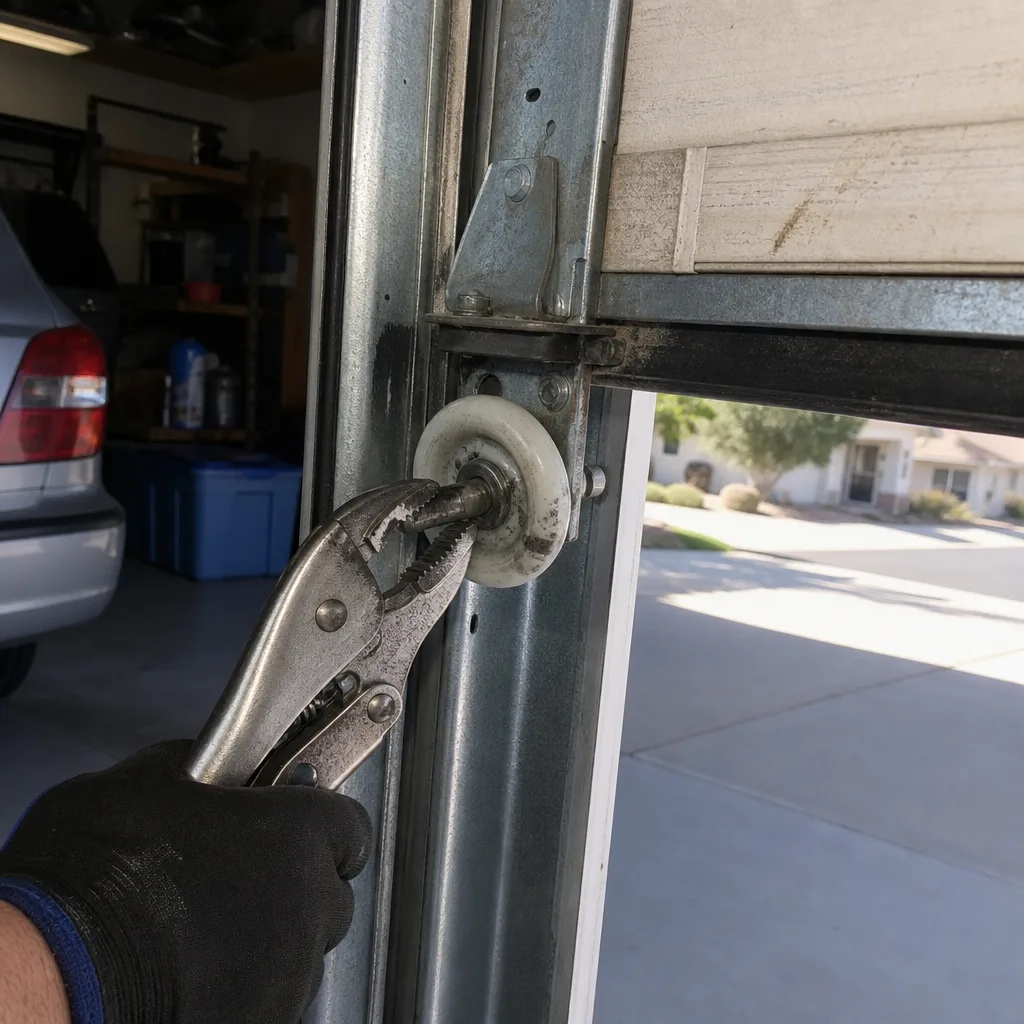
- Daylight visible under the door. The seal has compressed or torn to the point where the retainer itself is nearly touching the slab. Once you see light, the seal has lost its ability to close the gap, and no amount of travel adjustment on the opener will restore it.
- Water pooling at the threshold during summer monsoons. Mesa gets brief but intense rain, and a failed seal will let a surprising amount of water push under the door and into the garage. If you see mud streaks on the inside of the door panel after a storm, the seal has failed along part of its length.
- A visible gap at the corners. Wayne Dalton retainer channels can collect dust and pebbles, and when the seal gets brittle it chips at the ends first. Corner gaps are the earliest sign, and they only get worse as the seal shrinks in the heat.
- The seal feels hard or cracks when you bend it. Arizona sun bakes vinyl and low-grade EPDM until the material loses its flexibility. If you press a thumb into the seal and it doesn’t spring back, the material is no longer sealing against the slab even if it looks intact.
- Dust, leaves, or pests inside the garage. A working bottom seal keeps out a lot more than water. When it fails, scavenger ants and scorpions find the gap quickly. If you’re finding debris along the back wall of the garage on windy Mesa days, check the seal.
Replacing the seal at the first sign of corner cracking costs the same as replacing it later, and it prevents the secondary damage that comes from water sitting against the door panel. The panels on a Wayne Dalton 9100 are steel-faced with a foam core, and they’ll rust at the bottom edge if the garage floor stays wet through a long summer.
BeforeAfterReplacement Cost & What’s Included
Wayne Dalton weather seal replacement in Mesa runs $110 to $220 installed. A bottom seal only on a single garage door is at the lower end of that range. Adding jamb seals on both sides plus a header seal moves toward the upper end. The range reflects the seal width required, whether the retainer needs cleaning or end-cap replacement, and which material we’re installing.
Every quote we give is a flat, written price with a written scope, delivered before any work starts. That’s Clause 1 of The Haven Standard, and it’s not optional on our trucks. The quote includes the seal, labor, disposal of the old seal, and a photo record of the work: the failed seal before, the new seal in place, and the retainer condition documented after. If we find damage to the retainer while we’re working, we photograph it and quote the additional work separately before touching it. We never hand the customer an invoice that surprises them.
The 365-Day Done Right Promise applies to all weather seal replacements. If the seal slips, tears, or fails within a year of installation, we return and fix it at no charge.
DIY or Call Us?
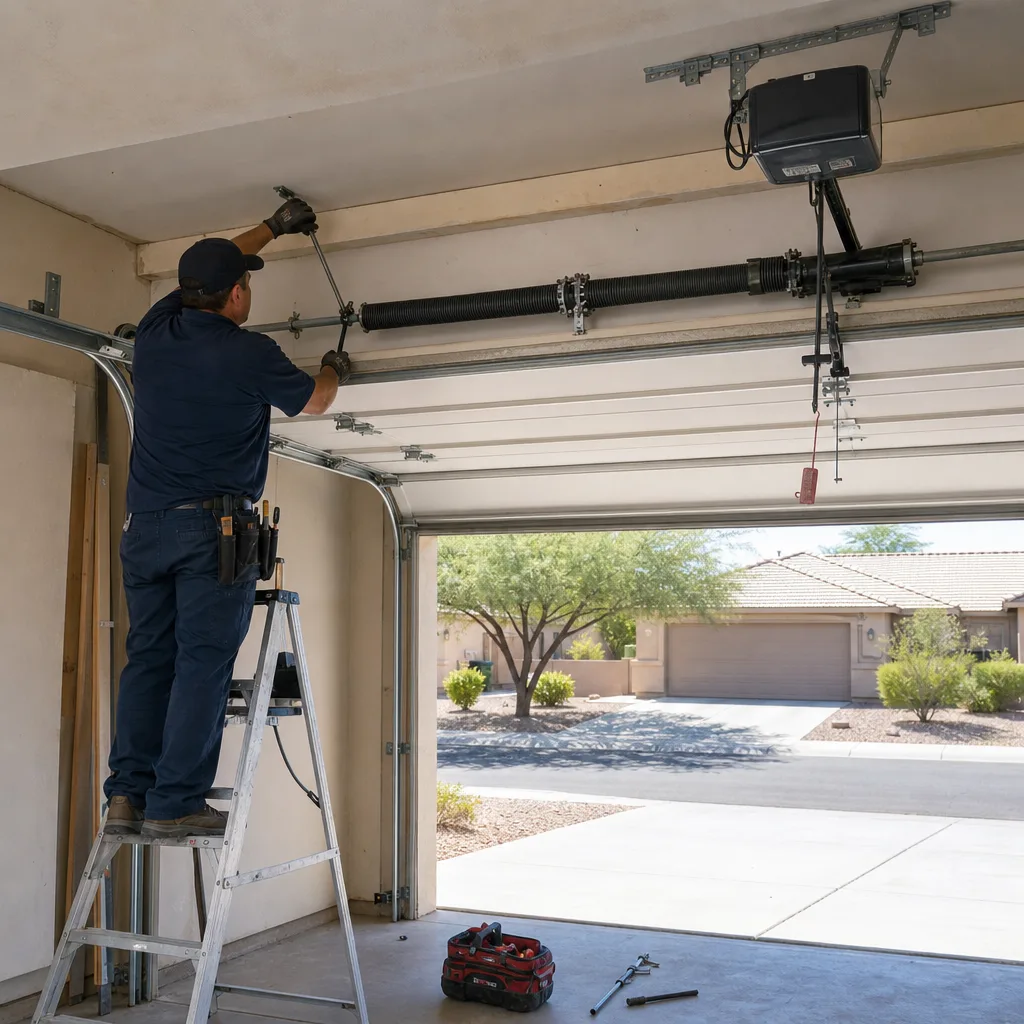
Weather seal replacement is one of the lowest-risk garage door repairs, but on Wayne Dalton doors the bottom seal has one trap: the T-seal slides into the retainer from the end, and the retainer often has a few years of grit inside it. If you try to pull the old seal out without cleaning the channel and it snaps mid-pull, you now have a stuck fragment behind the retainer and a harder job than you started with. On the jamb seals, the fin seal presses into a track mounted to the door opening, and if that track is misaligned the new seal will rumple and tear immediately.
What an owner can safely check is the obvious stuff: run a hand along the bottom seal and feel for splits, look for light under the door, and inspect the retainer end caps. If the retainer itself is bent or missing an end cap, that’s a measurement and fitment job with a few tricks we’ve learned from doing hundreds of these in Mesa. The seal costs less than a service call, which is why we’re straightforward about it. Call us at (520) 391-9660 and we’ll quote the job with the part name, the price, and the time of arrival before you commit.
FAQs
In Mesa’s climate, a quality EPDM bottom seal lasts 3 to 5 years on a door with direct afternoon sun exposure, and 6 to 8 years on a shaded or north-facing door. OEM vinyl from Wayne Dalton runs closer to 2 to 4 years in the same conditions. We quote both materials and let the orientation of your home decide the smarter buy. Call (520) 391-9660 for an exact quote on your door.
For a T-seal that’s torn, the answer is no. The tears happen at the thinnest part of the extrusion, and gluing or patching a moving weather seal doesn’t hold for more than a few weeks of Mesa heat. For a bottom seal that has simply compressed over time, there’s no adjustment that restores the contact pressure. Replacement is the honest path, and it’s a $110 to $220 job on most Wayne Dalton doors.
A bottom seal replacement alone takes 30 to 45 minutes on most Wayne Dalton doors. A full perimeter set with jamb and header seals takes about 90 minutes to two hours, including cleaning the tracks and testing the door’s balance before we leave. If the retainer is damaged or the end caps are missing, the visit runs longer, and we’ll tell you that before starting so you know what the morning looks like.
We stock the three most common Wayne Dalton T-seal profiles and universal jamb and header fin-seal on the service truck, so most weather seal replacement calls in Mesa are done same day. If your door takes an uncommon width or a series-specific profile we don’t stock, we order it and return within a few days. The price is quoted before we start, regardless of what’s on the truck.
Name the part. Quote the price. Then we start.
Written by Marcus Deller, Owner, Servo Garage Doors Mesa at Servo Garage Doors Mesa, serving Mesa and nearby areas.