
Full 25-point door and opener safety check with every visit - springs, cables, rollers, tracks, and your LiftMaster or Chamberlain opener included
You get a price before we start. It does not change when the truck arrives.
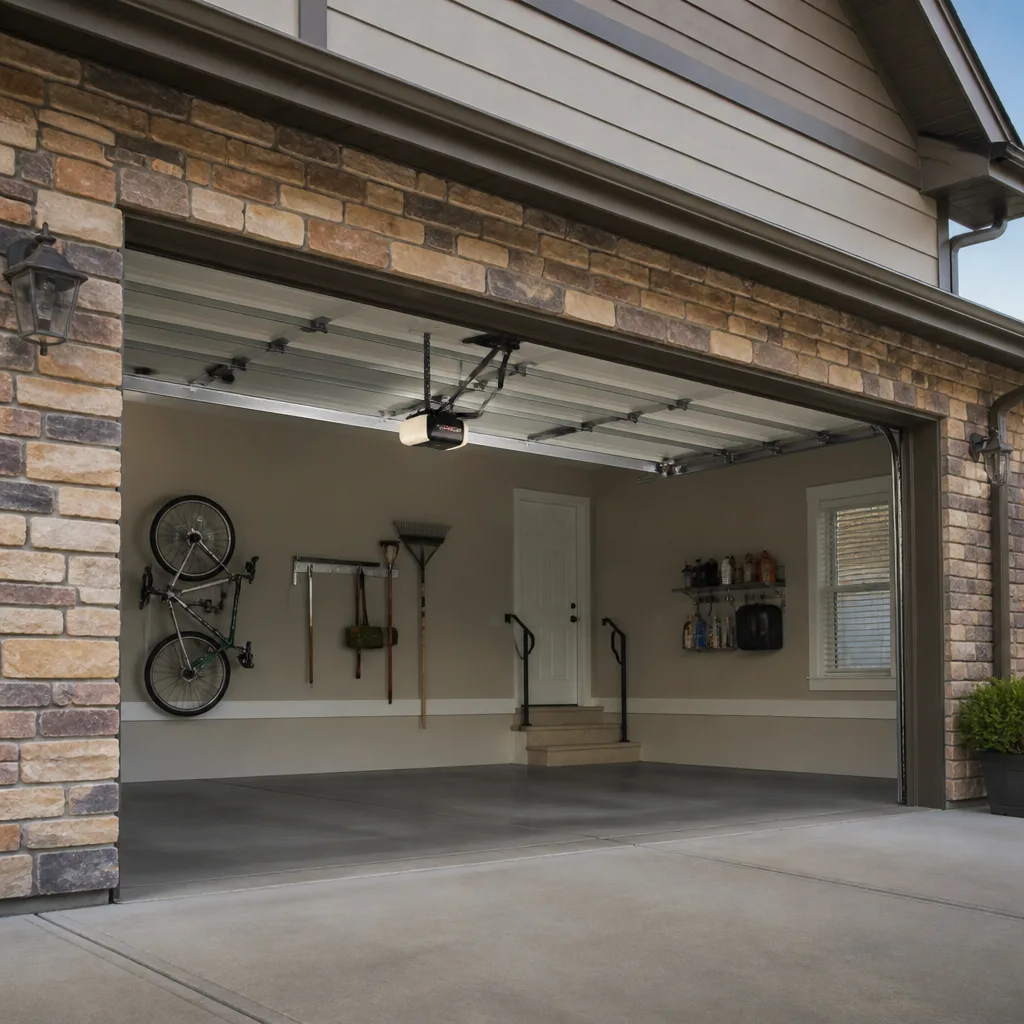
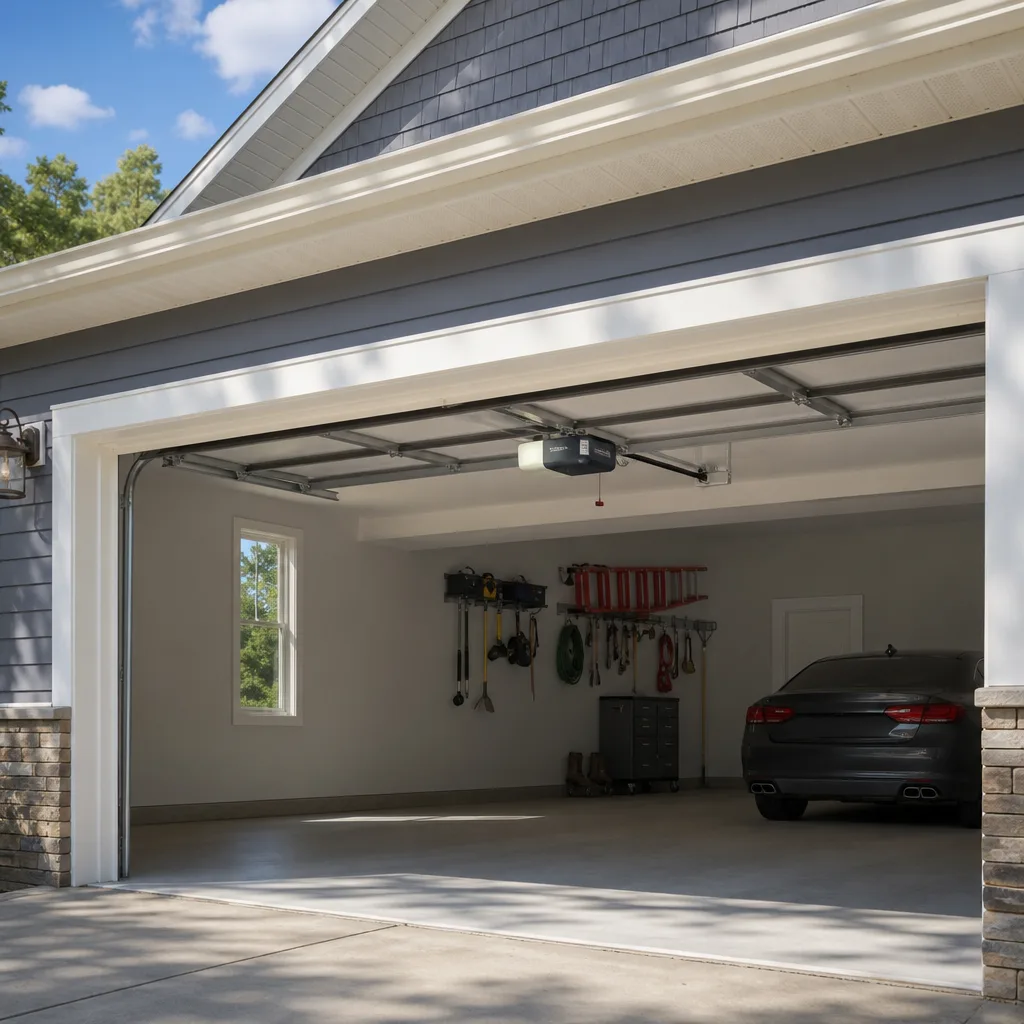
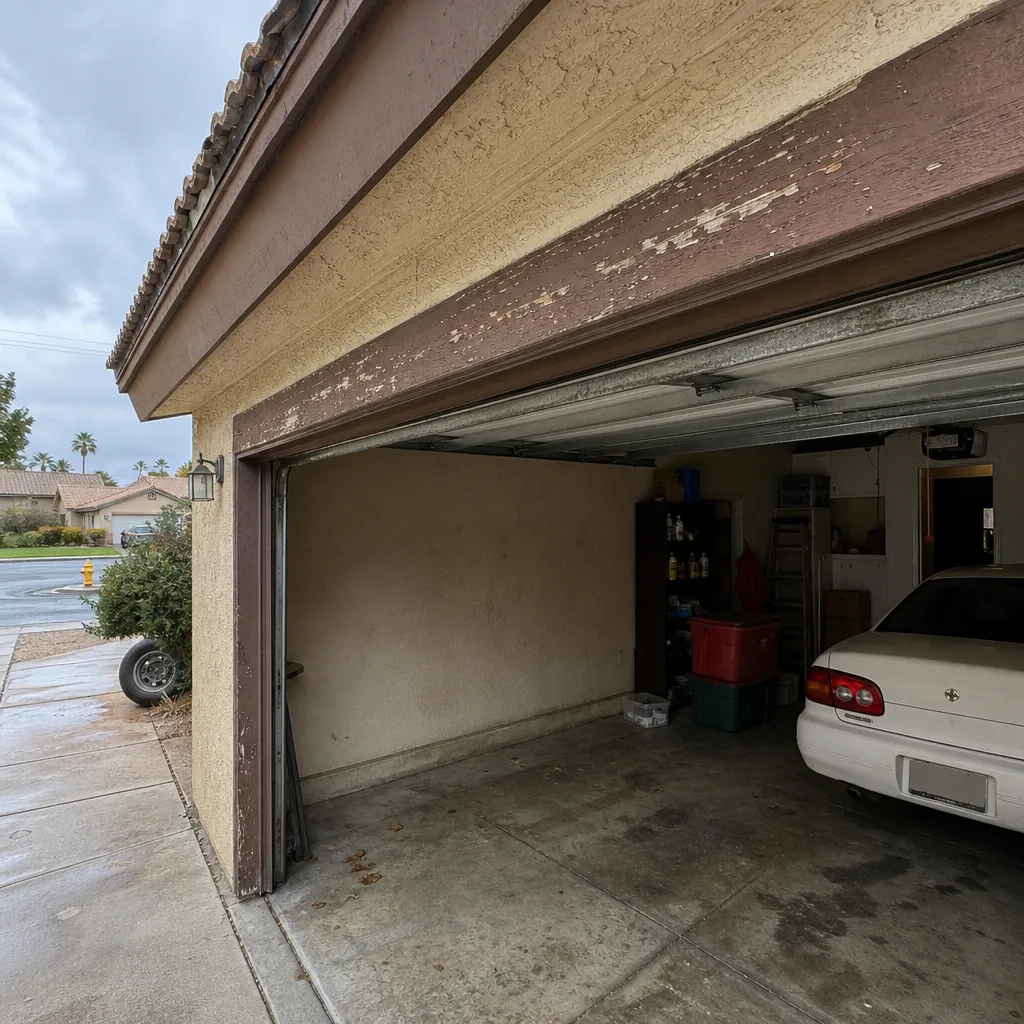 Before
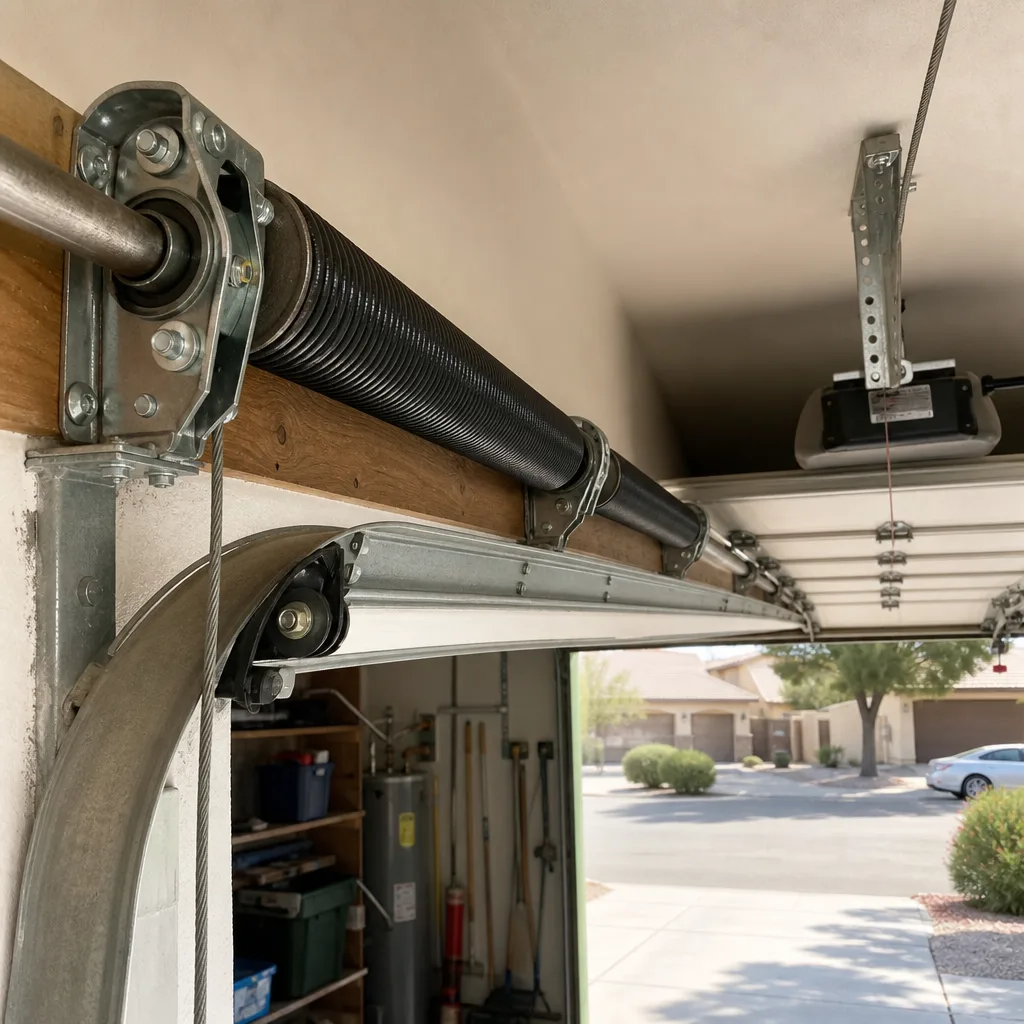 After
After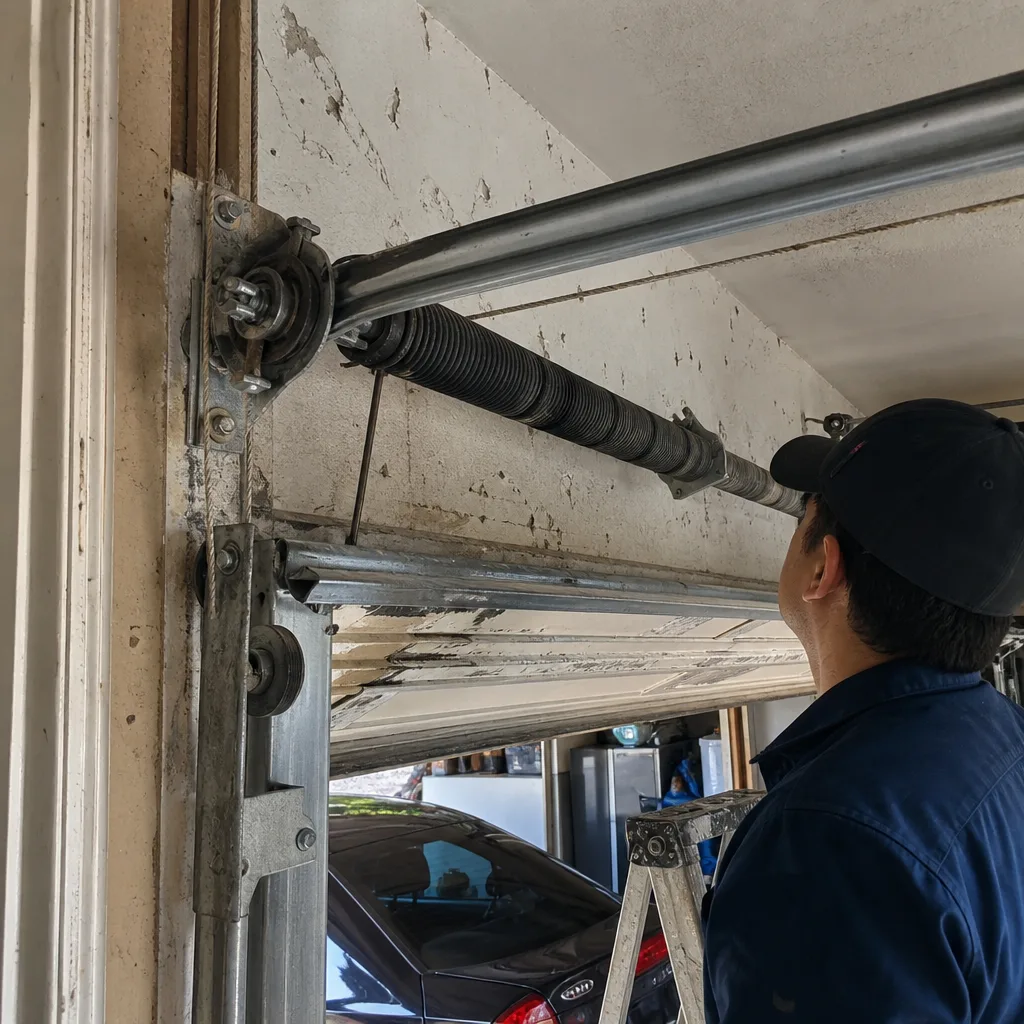 Before
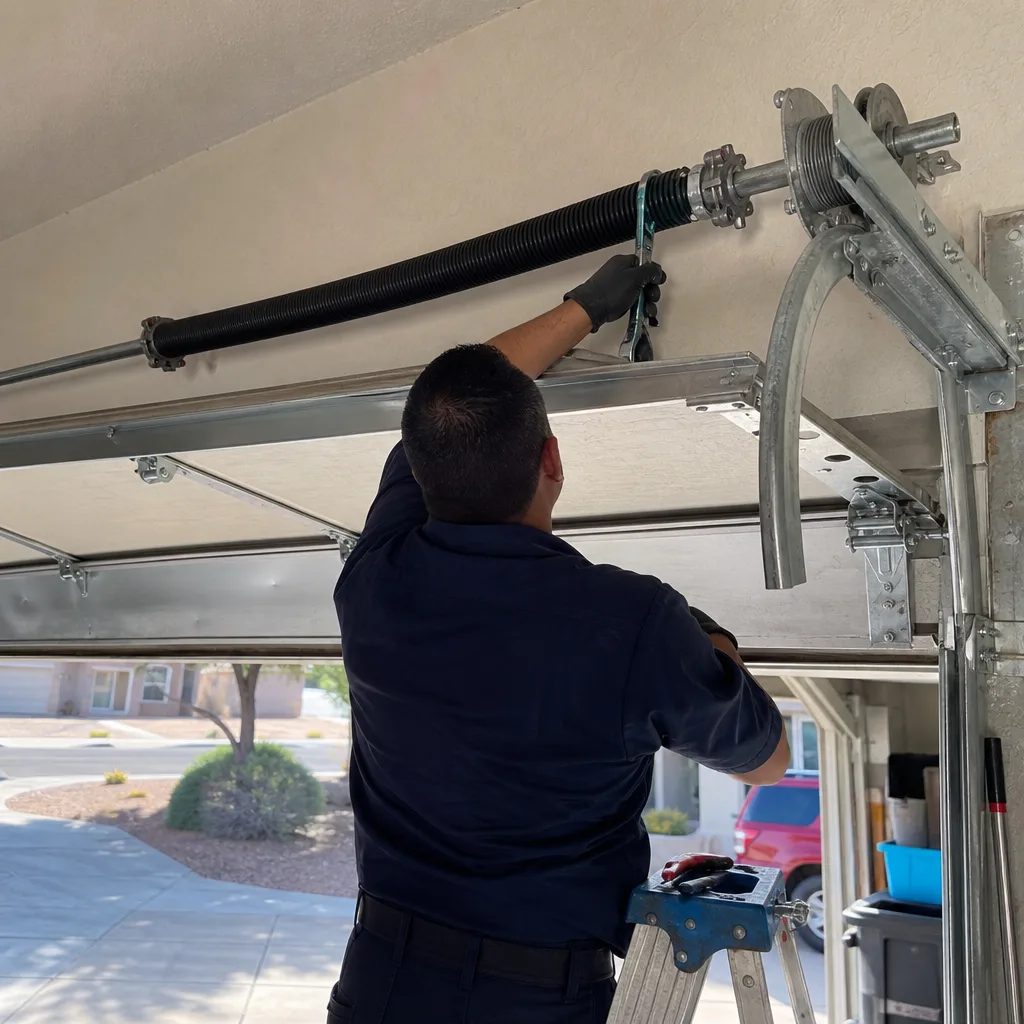 After
After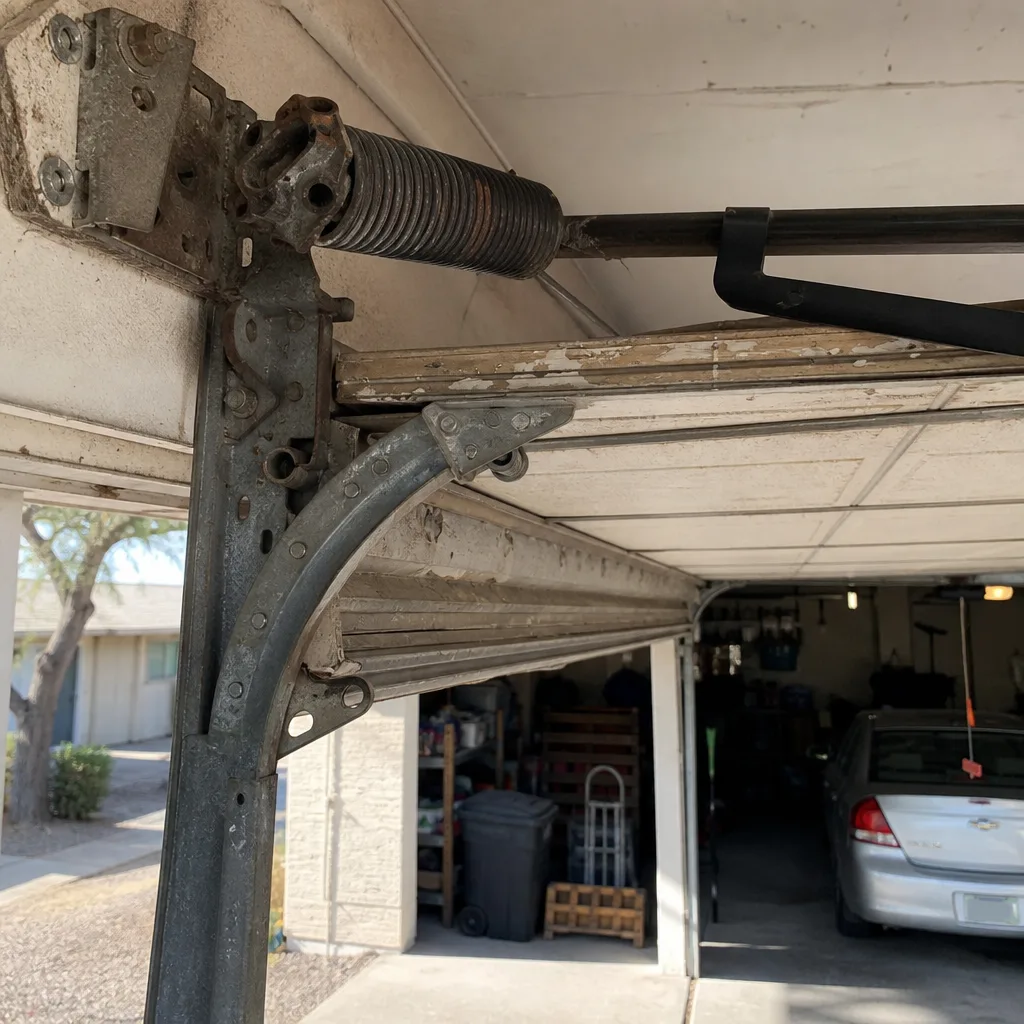 Before
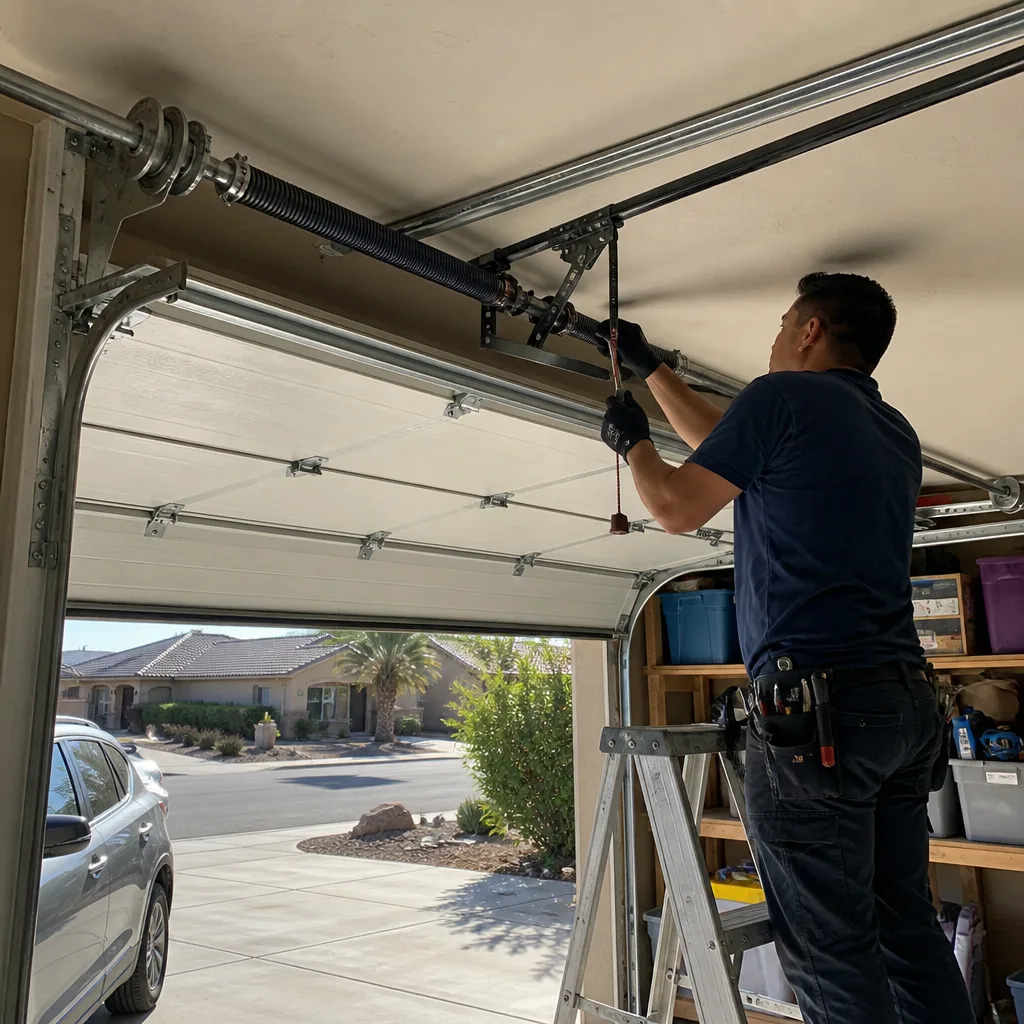 After
AfterClopay Weather Seal Replacement: The Mesa Owner’s Guide
Clopay weather seal replacement in Mesa typically runs $110-$220 installed, depending on whether you need just the bottom seal or the full perimeter set including side and top stops. We stock Clopay-specific T-style and bulb-style seals on the truck, so most replacements happen same day in a single visit. Most Mesa homeowners discover the problem the same way: they see daylight under the door, find dust and leaves blown into the garage after a monsoon storm, or notice the door sitting uneven on the floor. That gap is almost always the weather seal, and on Clopay doors the original seal rarely survives more than five or six Arizona summers.
The rubber just gives up. Mesa’s heat bakes it brittle, the monsoons soak it, and the daily open-close cycle flexes it until cracks turn into tears. Once the seal tears, the door loses its contact patch with the concrete, and everything else follows: drafts, dust, scorpions, and a door that rattles in the wind. The fix is a part swap, not a door replacement, and it’s one of the lower-cost repairs on a Clopay door.
Which Clopay Models This Applies To
We replace weather seal on every Clopay residential line we see in Mesa: the Classic, Gallery, Bridgeport, Coachman, Grand Harbor, and the IntelliCore insulated series. The part you need depends on two things: the T-channel width on the bottom retainer and whether the door uses a bulb seal or a compression flap. Clopay’s bottom retainers are not universal. A Gallery door from 2014 takes a different retainer profile than a newer Bridgeport, and shoving the wrong T-width into the channel either falls out on the first cycle or tears inside the track within a month.
The easiest way to identify what you have is to look at the bottom retainer itself. It’s the aluminum channel screwed to the bottom panel. Clopay stamps a part number on some retainers, but not all of them, so we measure the T-channel opening with a caliper on site. For OEM Clopay seals, the part number is usually printed on the packaging, not the rubber. The better aftermarket equivalents, like the vinyl-reinforced T-seals we carry, match Clopay’s T-width specs and often outlast the OEM rubber in Mesa’s climate. For most homeowners, a quality aftermarket seal is the right call. It costs less than the Clopay-branded part and holds up to UV exposure better. If you have a Clopay door still under warranty, we’ll tell you to buy the OEM part through your dealer and we’ll install it for labor only.
We’re an independent service provider, not a Clopay dealer or affiliate, which means we match the part to the door rather than defaulting to whatever the brand catalog says. That flexibility matters when Clopay changes retainer designs between model years.
Signs Your Clopay Weather Seal Replacement Is Failing
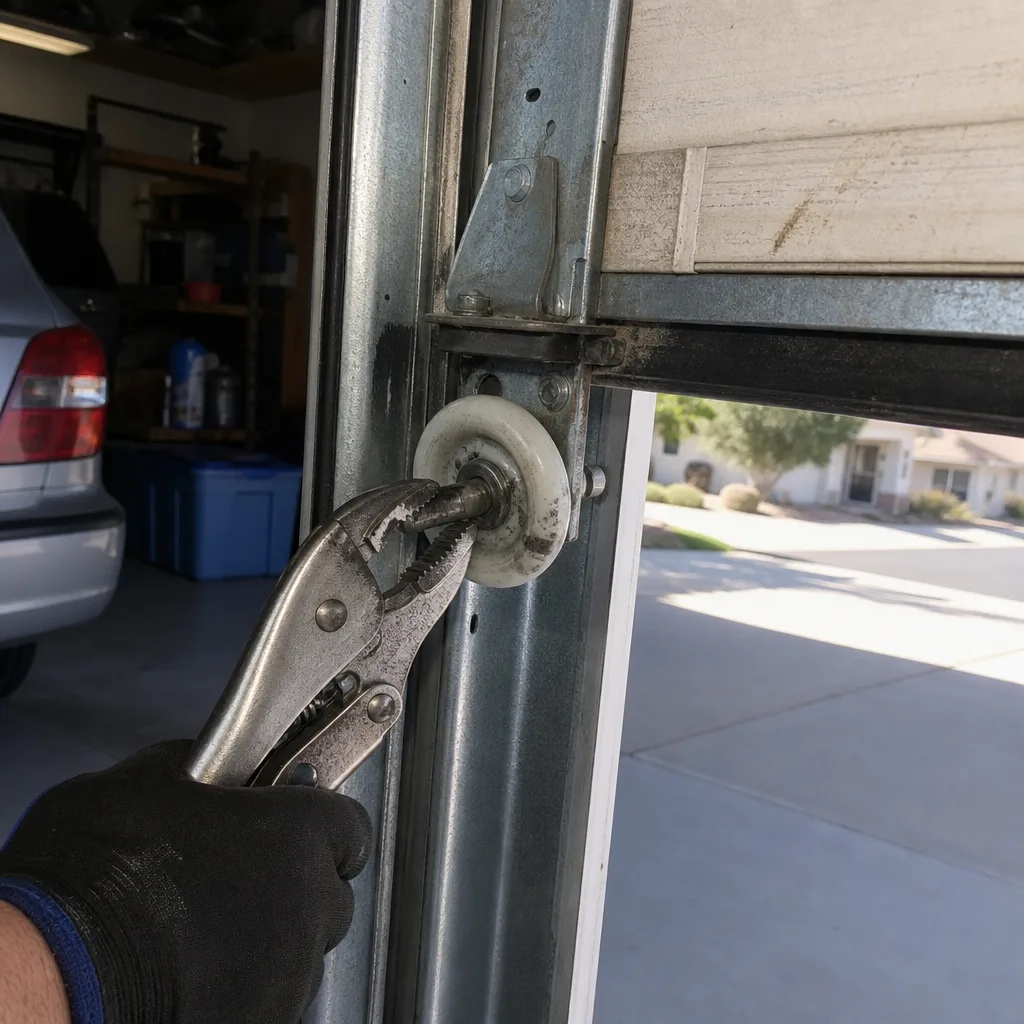
- Daylight under the door. The most obvious one. Stand inside the garage with the door closed and look at the floor line. If you see light, the seal has compressed or torn past the point of doing its job. The gap is where the dust, water, and pests get in.
- Dust and debris piling up inside the garage. Mesa’s summer dust storms push fine silt through any gap. If you sweep the same corner twice a week and it keeps coming back, the seal isn’t sealing. Check the bottom corners first, that’s where tears usually start.
- Water pooling on the garage floor after monsoon rain. A failed Clopay seal lets runoff walk right under the door during a storm. If the puddle starts at the door line and spreads inward, it’s not a slab issue, it’s the seal.
- Cracks, chunks, or a flattened profile in the rubber. Look at the seal itself. Arizona UV turns flexible rubber into something closer to charcoal briquette. Hairline cracks mean it’s degrading. Missing chunks mean it’s already failed.
- Rodent or scorpion droppings near the door line. A quarter-inch gap is all a scorpion needs. If you’re finding them in the garage during summer, the weather seal is the most likely entry point. Clopay’s standard seals don’t leave much margin for error on uneven Mesa concrete.
BeforeAfterReplacement Cost & What’s Included
For a Clopay weather seal replacement in Mesa, you’re looking at $110-$220 fully installed. The bottom seal on its own typically lands in the $110-$150 range. If the side and top perimeter seals need replacement too, which happens on older doors where everything degraded at the same rate, the job runs $175-$220. The spread comes down to door width: a 16-foot double door takes twice the material of an 8-foot single. The labor is the same, which is why the total doesn’t double.
Every quote follows Clause 1 of The Haven Standard: a flat, written price and a written scope before any work starts. You’ll know the part cost, the labor, and the total before the technician touches the door. No surprises at the end. The written price is the price.
And if the replacement doesn’t hold up, the 365-Day Done Right Promise means we come back and make it right. That’s how Marcus Deller has run things since 2015: name the part, quote the price, then we start.
DIY or Call Us?
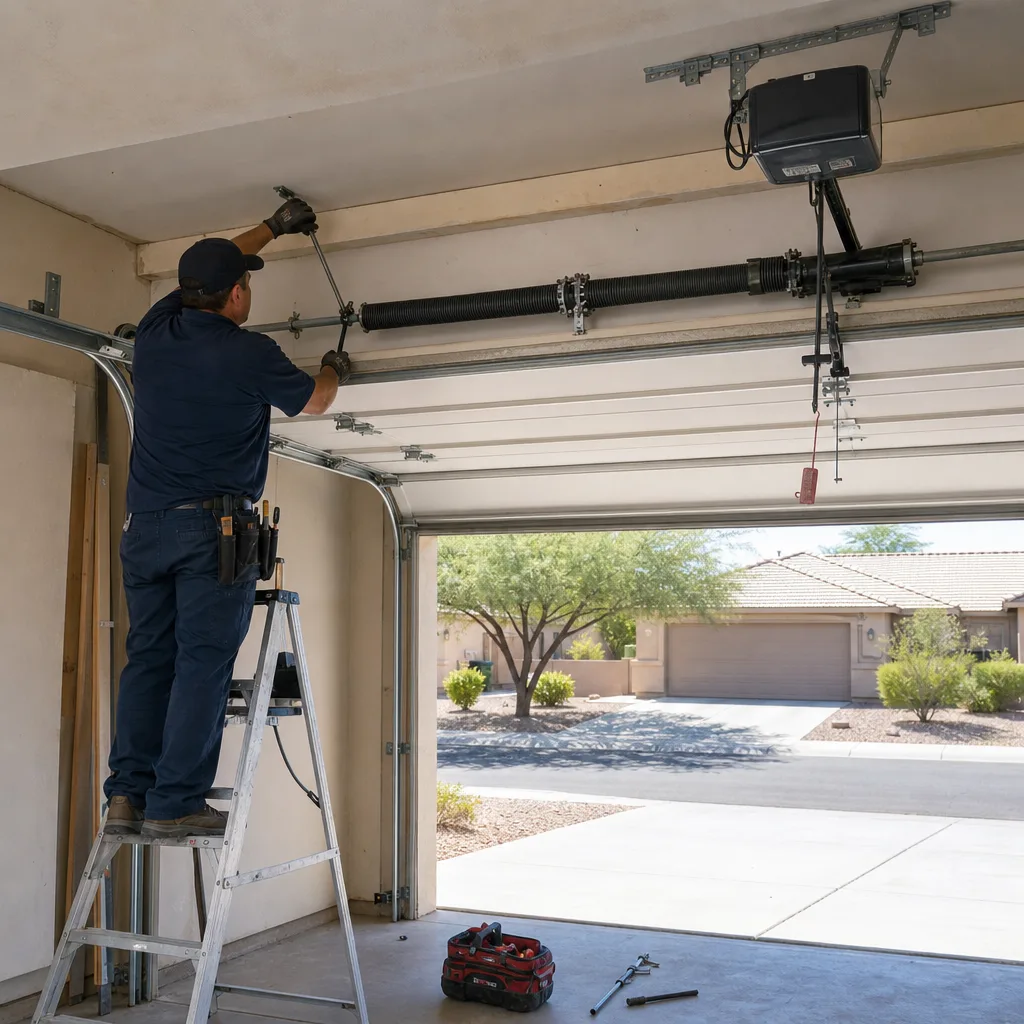
Weather seal replacement is one of the few garage door jobs a careful homeowner can genuinely do themselves, and we’ll tell you that flat out. The bottom seal slides out of the retainer on most Clopay doors once you loosen the end brackets. No high-tension parts are involved. No springs. No cables. The danger on this particular job is low, but the annoyance factor is real: the old rubber often tears as you pull it, the new seal fights you in the channel, and if the retainer is bent or corroded you’ll need a replacement track anyway.
What we’d rather you do is check the seal, confirm it’s failing, and then call us at (520) 391-9660. We stock the common Clopay profiles on the truck. We’ll tell you what you need, what it costs, and whether it’s even worth doing. If it’s a fifteen-minute swap and the seal is the only issue, we’ll tell you that too. The free estimate means you can decide with the number in front of you.
FAQs
Plan on five to six years before the rubber starts cracking from UV exposure and heat cycling. We see seals fail faster on west-facing doors with full afternoon sun. If your seal is over four years old and you’re seeing daylight, it’s time to replace it. Call us for a free look at (520) 391-9660.
You can’t repair a worn or torn weather seal. There’s no patching material that stands up to the flexing and UV exposure. Replacement is the only real fix. The good news is the parts are inexpensive and the swap is fast, typically well under an hour. We’ll show you the failed seal before we quote the replacement, per Clause 4 of The Haven Standard.
A bottom seal replacement takes 20 to 45 minutes for most Clopay doors. Full perimeter replacement, including side and top stops, takes 60 to 90 minutes. We do the work in one visit and send you a photo record when we’re done. Call (520) 391-9660 to schedule a time that works.
We stock the most common Clopay T-style and bulb seal profiles, along with universal retainer track, so most replacements happen same day on the first visit. If you have an unusual Clopay model, we’ll measure the retainer on site and return with the exact match, usually within two business days. We also service all the major brands including LiftMaster, Chamberlain, and Genie.
Get Your Clopay Door Sealed Right
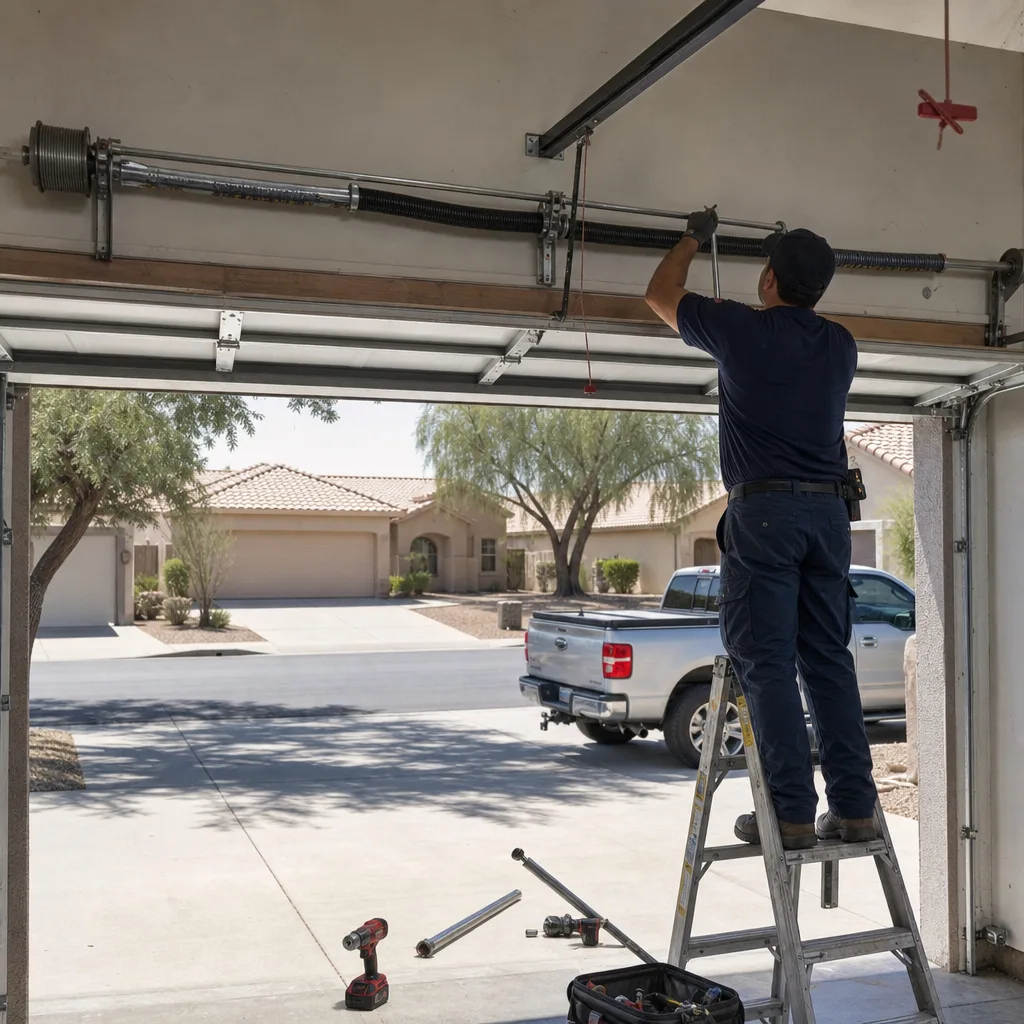
If you’re seeing daylight under the door, call (520) 391-9660 and we’ll get a technician out to Mesa to measure, quote, and replace the seal. You’ll get a flat, written price before any work starts, and a documented photo record of what was done when it’s finished. That’s how every job goes, and it’s not negotiable.
Written by Marcus Deller, Owner, Servo Garage Doors Mesa at Servo Garage Doors Mesa, serving Mesa and nearby areas.